The Care Show Birmingham
Sophie Chester-Glyn • 11 October 2019
Yesterday, we were lucky enough to attend the Care Show
in Birmingham, an annual two-day health and social care conference held to showcase new initiatives, technologies and products for the sector. Key to the conference is its talks and debates from care industry leaders. Whilst we were only able to attend part of the event, in the interest of opening up the care debate, we are blogging about what we learnt. Please feel free to #share.
David James – Head of Adult Social Care Policy at the CQC
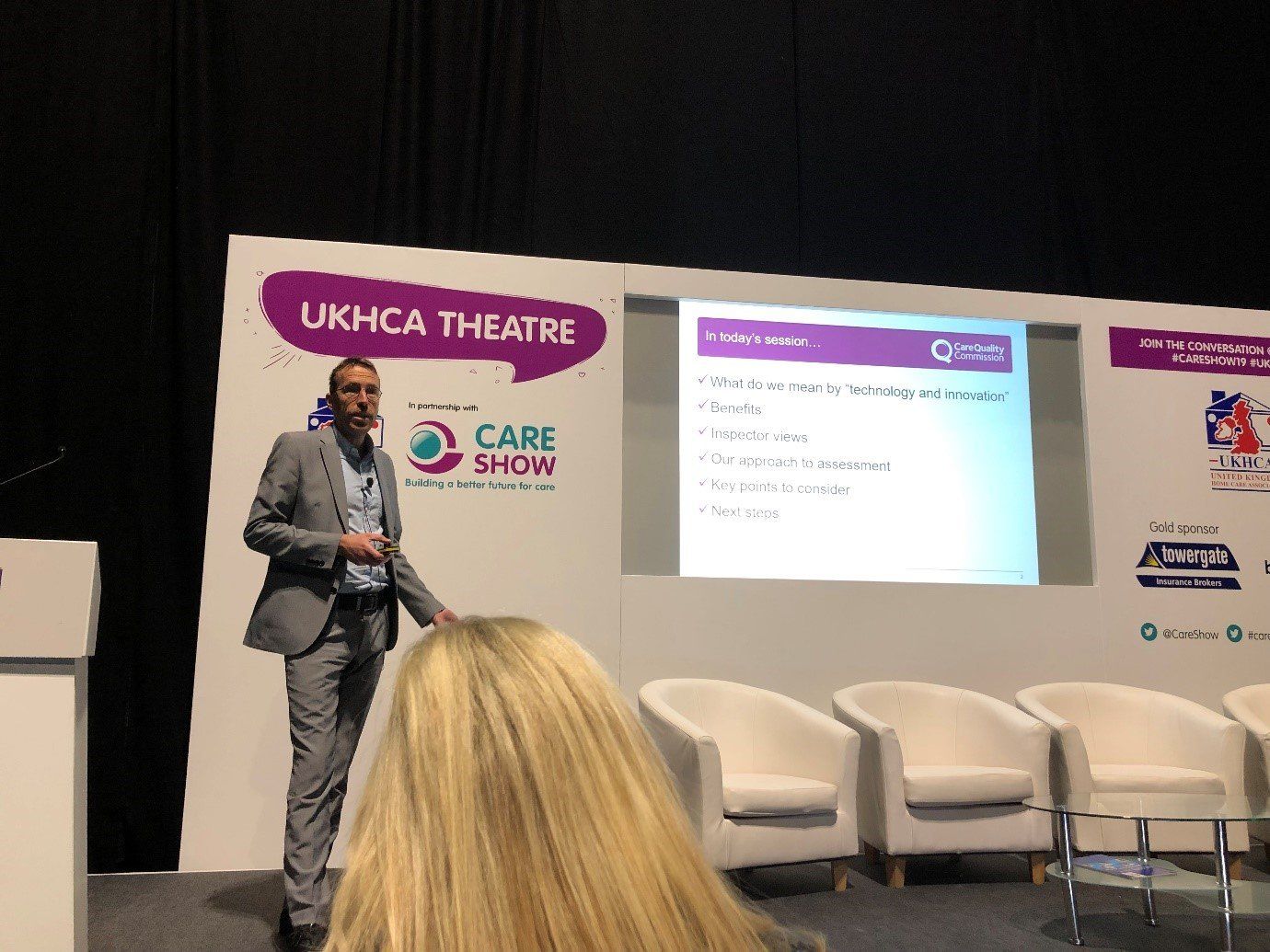
One talk which care providers may find particularly interesting is that from David James at Care Quality Commission (CQC). Having worked for the CQC for 13 years, David was well qualified to inform us on CQC’s current approach to technology in homecare services during his talk at the UKHCA Theatre.
Benefits of technology
David explained that CQC was committed to recognise the benefits of technology. The feedback from inspectors included that technology can:
- Promote independence
- Enhance care
- Be an important communication tool and
- Support information sharing with others
- Support person-centred practices
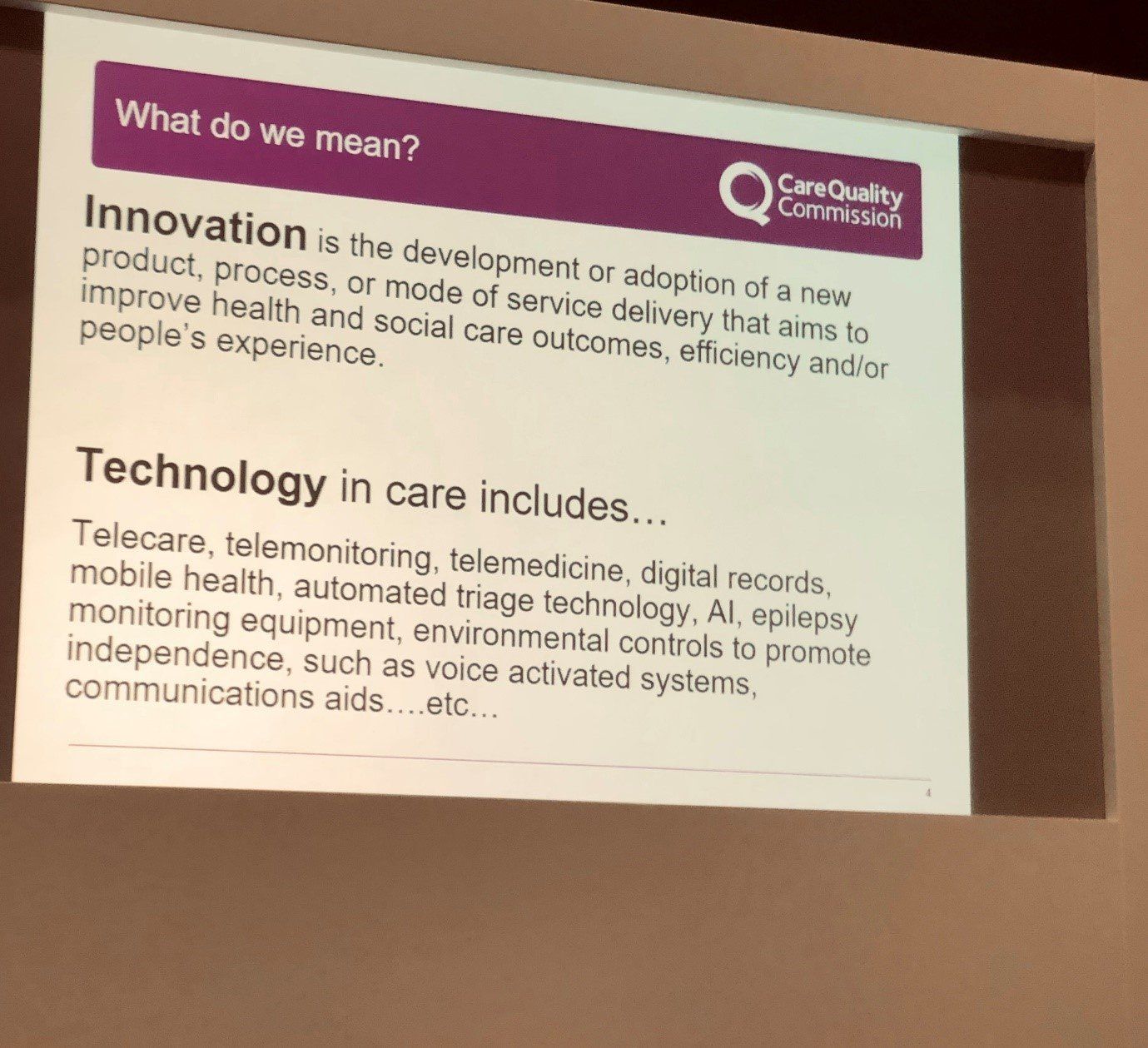
Essentially, if used well, technology can be a key indicator of innovation by providers. Their definition of innovation is:
David cautioned that whilst technology is, in essence, positive, the interests of the people being supported
must be key to the choice, introduction and use of technology. People must be at the heart not just the receiving end of organisation’s use of the technological.
There are however, challenges in using technology. There must be continuous learning within organisations and technology is not a panacea - its benefits should be assessed against the characteristics of the CQC ratings.
His final message was that technology is great, but ultimately it must be linked to the quality of care technology for its own sake.
Next steps for CQC in this area:

Andy Begley, Director of Adult Services & Housing, Shropshire Council

Andy Begley
gave an enlightening talk about how technology in care is helping to keep people safe. He discussed considering collecting data on who is living alone, not going out and not accessing services and comparing this with data on how likely they might be to need services. This would then inform the local authority’s decision to support people before they require support services. It was refreshing to hear a director of adult services question the way in which commissioning currently works and to persist with better use of data and better working between local authorities to make services more responsive. Read more about his work in a recent article.
Andy’s work on using data to predict when vulnerable older people might need support in their home and to intervene in people’s lives before a crisis occurs seems a perfect fit to Matt Hancock’s prevention vision. He revealed that there is a huge amount of data which can be collected from people’s lives, such as who is not paying council tax and how this can be used to consider uncovering hidden support needs. Councils might want to consider analysing the data rather than sending out warning letters? Could it have resulted from mental health issues or money management support needs?
Fundamentally, however, collecting more data on people’s lives and sharing this data amongst local authority departments and between local authorities themselves might seem like a good idea, but the issues of GDPR
were discussed as a fundamental problem, not least because of people’s misunderstanding of what GDPR means for organisations.
Karolina Gerlish, CEO of NACAS (national association of care and support workers)
“ We have to improve the image of careers in health and social care. Until people are faced with it, they don’t know what social care is”
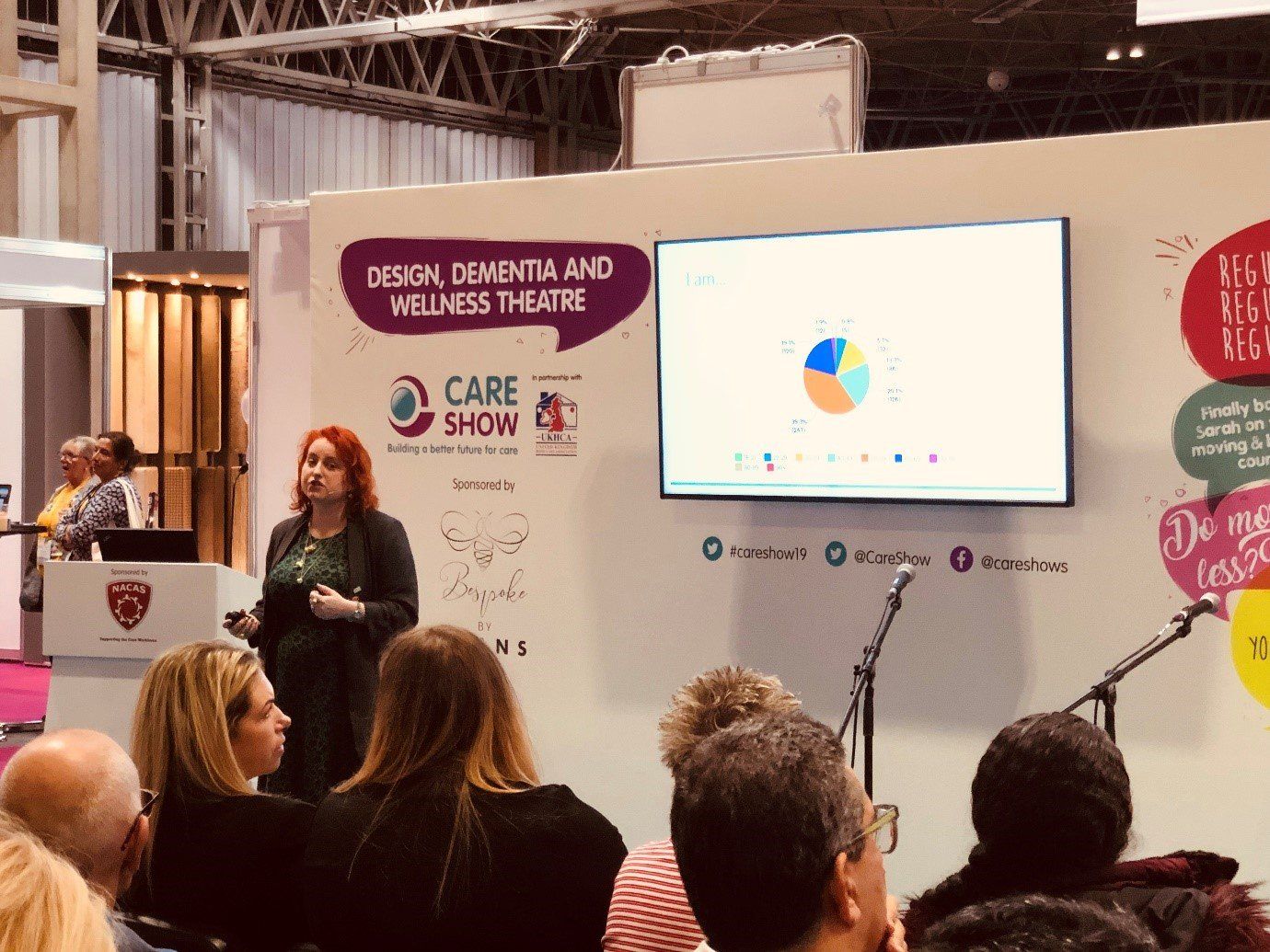
One of the most anticipated talks was from the enthusiastic Karolina Gerlish from NACAS. Karolina made a clear link between her message and the fact that she was speaking on National Mental Health Awareness
day. However, she was not speaking about mental health from the perspective of the mental health patient but from the perspective of care workers. She focused on research carried out by NACAS with care workers.
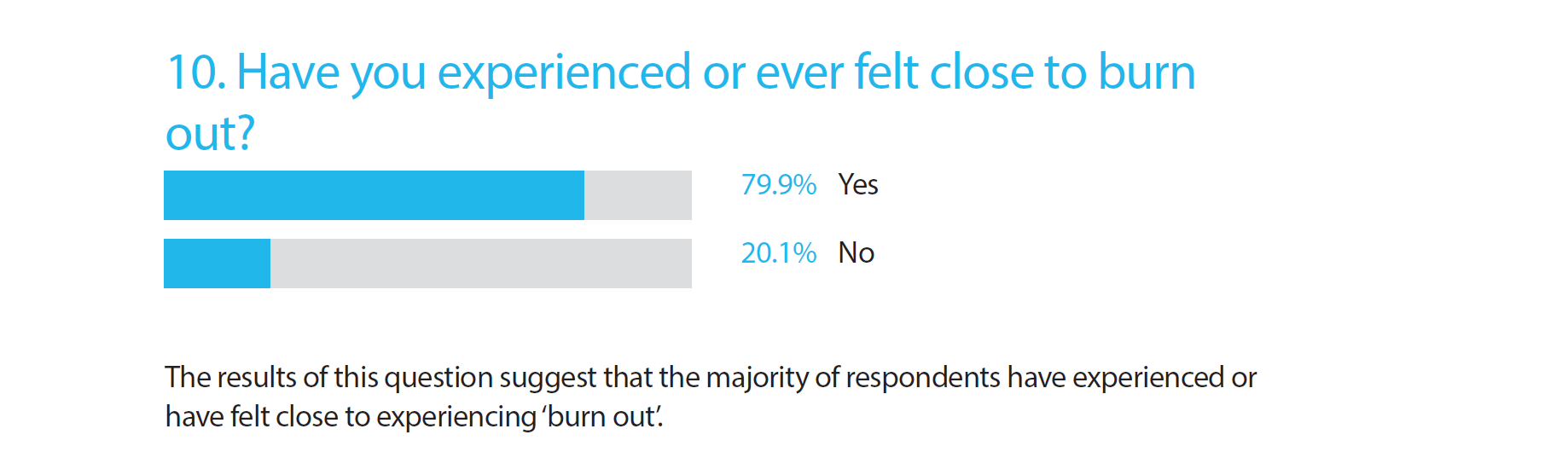
NACAS has found that:
- 80% of the 600 care workers questioned said that they had suffered from burnout.
- Only 48% of people felt that they could pay for their basic needs expenses from the wage they received, signifying that there is an issue with economic well-being as well as mental well-being when working in care.
- Most also felt that their pay did not allow them to pay for a holiday.
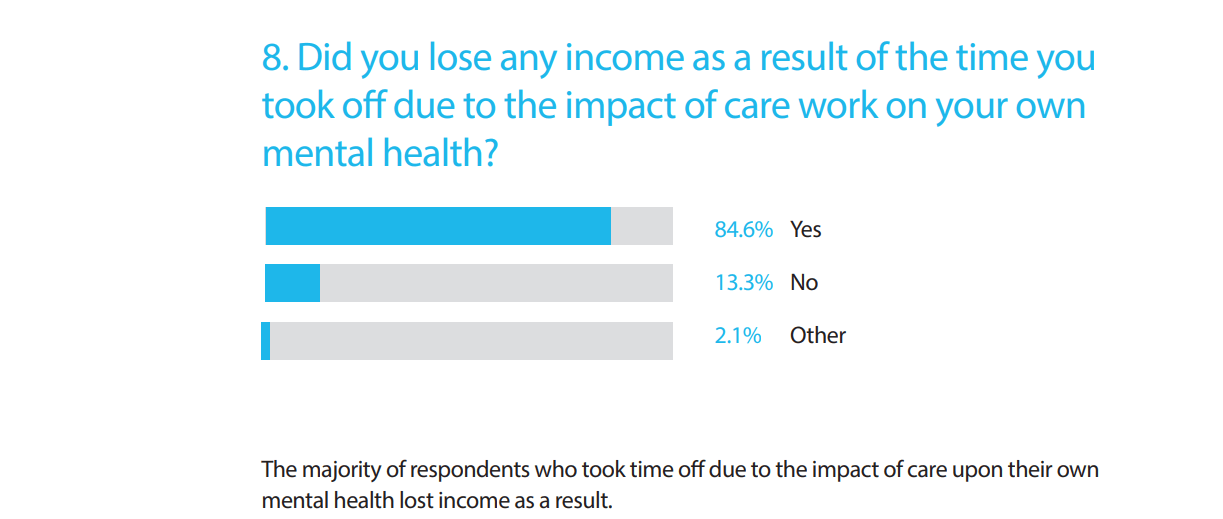
Karolina reminded us that, each September, NACAS support ‘national care workers day’ – an event they started. The aim was for organisations to do something special for their care workers and for everyone to recognise what care workers do.
They are also campaigning heavily for the recognition of care work as a profession.
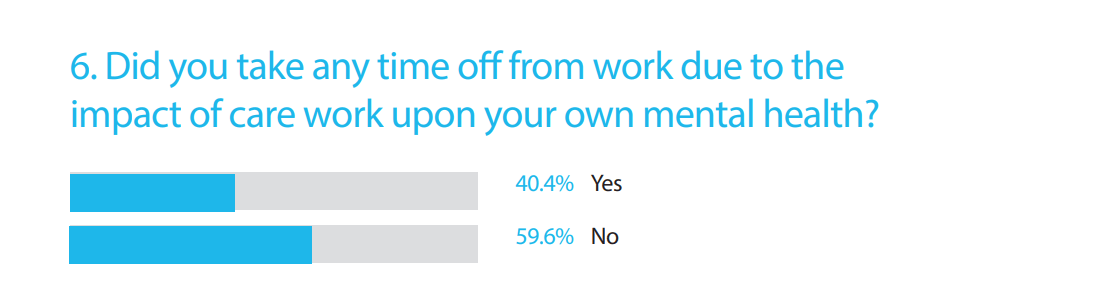
One of the impressive points from Karolina, however, was that those working in care long term should be recognised as experts, not people lacking ambition. NACAS has also suggested recommendations to improve care work for care workers, including:
- appropriately funding providers so that this can trickle down to care workers
- to have social care funded at least on a par with health care
- Karolina pointed out that Mental Health First Aid training should be shared not only to people in relation to those being supported, but also for staff to spot mental well-being being a priority for their colleagues.
Her final and arguably most poignant point was that providers (and arguably commissioners) need to show appreciation for care workers. Giving positive feedback such as the small messages of thanks, cards of appreciation and recognition, can help towards mental well-being and turnover rates.
Check out their full report here.
Digital Social Care

For those new to the Digital Social Care platform, Claire Sutton (Digital Transformation Lead at the National Care Forum) gave us a comprehensive introduction. Launched earlier this summer, Digital Social Care
is made up of a group of social care organisations who realised that support for the social care sector to embrace, fund and understand technology is lacking. So, made up of Care England, National Care Association, National Care Forum, Registered Nursing Association, Skills for Care, UKHCA
and the Voluntary Organisation Disability
Group (VODG), Digital Social Care is set to reform social care’s confidence and competence around technology through its online informative platform.
Some key messages included:
- Digital social care want to hear about technology case studies, but from a care provider perspective. The aim is to support providers to learn from each other.
- GDPR causes a stress to many, but shouldn’t. Her message on GDPR was that it’s about applying the rules we already have around technology to the specific rules within GDPR. Effectively, we’re already doing good stuff around technological safety, we just need to evidence and practice it more effectively.
- The Digital Social Care website has guidance on how to complete their ‘data security protection toolkit’. One of the key benefits when providers complete the toolkit is that they receive an NHS secure email which, amongst other benefits, allows providers to contact professionals within the NHS securely.
- There is a ‘special interest group’ with about 100 providers who they consult with on the projects they are promoting. If you feel you should be in that group, then email them.
- One great resource is information on funding opportunities to either adopt, promote or understand technology in care. Check out new opportunities here for medium sized companies and here for small care company funding opportunities#bookmark!

Our short and very partial visit revealed some fantastic insights into the ever-developing area of health and social care. For a complete list of the contributors we missed, check out the Care Show’s agenda on their website.
Maybe see you there next year? Maybe not. Either way, passes are free, travel is discounted and if we are there, we’ll let you know what happened!
#staytuned #share #CoproduceCare #blogs #democratise the #caredebate
This Facebook widget is no longer supported.
Join us
We will be relying on a small but dedicated team and volunteers.
So, if you would like to be involved, please get in touch at hi@coproducecare.com
and help us open up the care debate, properly democratise care and please do join and share Coproduce Care:
Spread the word and uncover the hidden opportunities for people-led coproduced care