Care England Conference 13th November 2019
Sophie Chester-Glyn • 14 November 2019
Integration, technology, politics, coproduction and leadership. All of this was covered in today's Care England Conference. Fear not if you couldn’t make it as we have blogged below the best bits from Andrea Sutcliffe, Chief Executive of the Nursing and Midwifery Council, Professor Martin Green
from Care England, Kate Terroni
from CQC
and more.
Contents
Andrea Sutcliffe - NMC
Alyson Scurfield, Chief Executive of Telecare Services AssociationKate Terroni - tips from the RegulatorProfessor Martin Green #GoldenNuggets
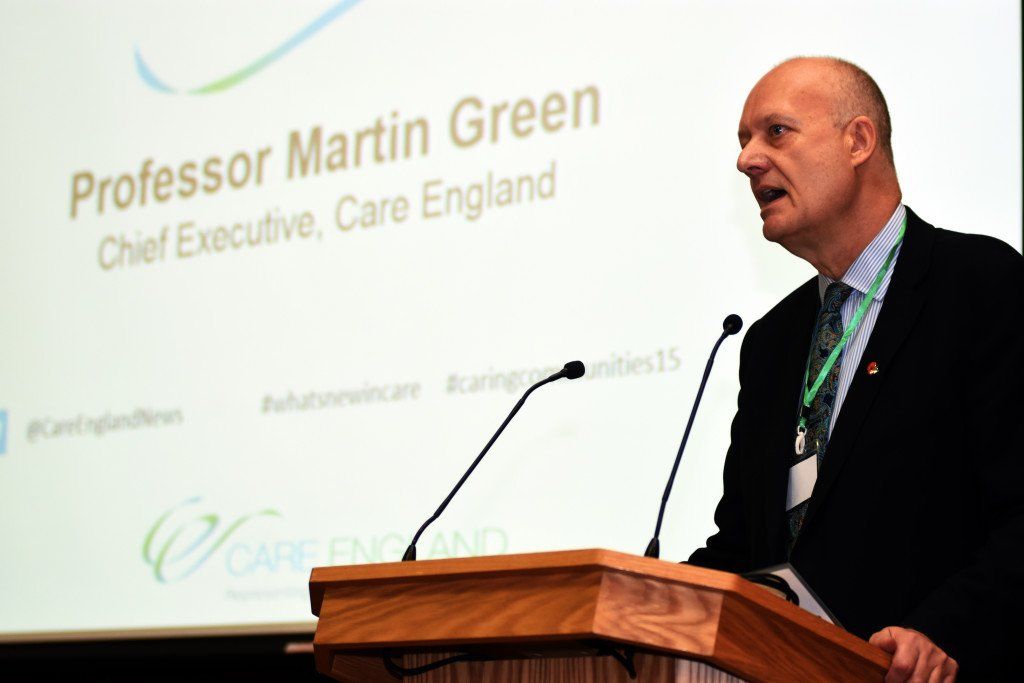
Care England's Conference in Westminster focused on Workforce. Chaired by Professor Martin Green OBE – Chief Executive of Care England, the line up included representation from providers, senior leaders and academics.
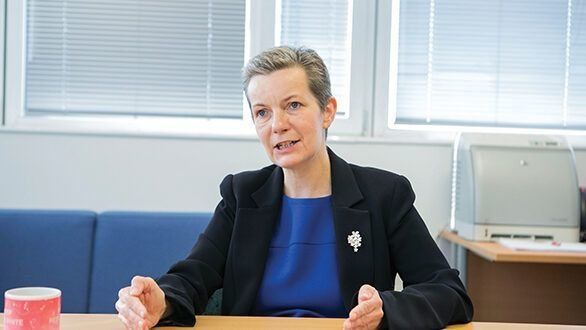
Andrea Sutcliffe
After a short intro from Professor Green, Andrea kicked off with a focus on the needs and value of nurses who work in social care – a group who she felt were frequently under-valued and underrepresented. Andrea hits her 10 month anniversary at the helm of Nursing and Midwifery Council (NMC) this autumn and was keen to set out what the organisation is and does, as well as its focus for 2020 and beyond.
What the NMC is and does
Andrea reminded us that the Nursing and Midwifery Council (NMC) shapes the practice of nurses, midwives and nursing associates through:
• Setting standards via their Code and Future Nurse standards.
• Maintaining a register so people can check whether someone is registered as a nurse.
• Supporting re-validation and ensuring someone’s fitness to practise as a nurse.
Some of the key impact changes she hopes to make in her role include changing the NMC website so that it is less London-centric and promoting the fact that there are over 40,000 nurses working in adult social care
who are increasingly looking after people with multiple needs and higher expectations.
Andrea pointed out that nurses in adult social care are often isolated yet have unique skills in addition to their clinical abilites such as managing staff teams.
NMC – 2020 and beyond
After receiving over 4,000 survey responses, NMC have developed 5 new themes including:
• A dynamic approach to shaping practice
• Building their relationship with the public
• Strengthening their relationship with professions
• Using and sharing research, data and intelligence
• Closer collaboration with others
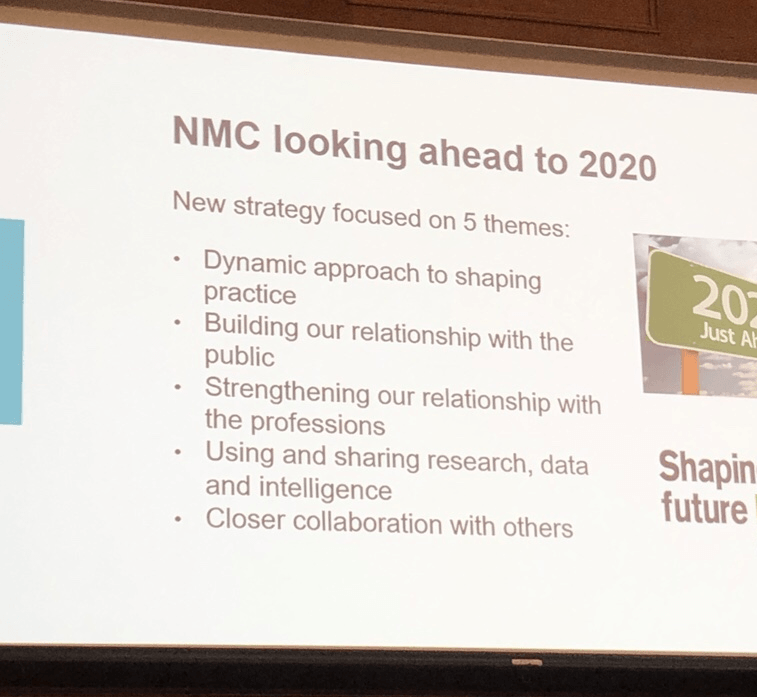
Effectively, NMC are looking to support the public to know more about them and their role.
Andrea pointed out that the focus on intelligence comes from the fact that ‘we sit on a goldmine of evidence and we need to use our insight’ to influence and shape the health and care system for the better.
We look forward to seeing the full strategy next year when it is published.
Alyson Scurfield, Chief Executive of Telecare Services Association
“ Using technology to promote autonomy, enable connectivity and improve quality”
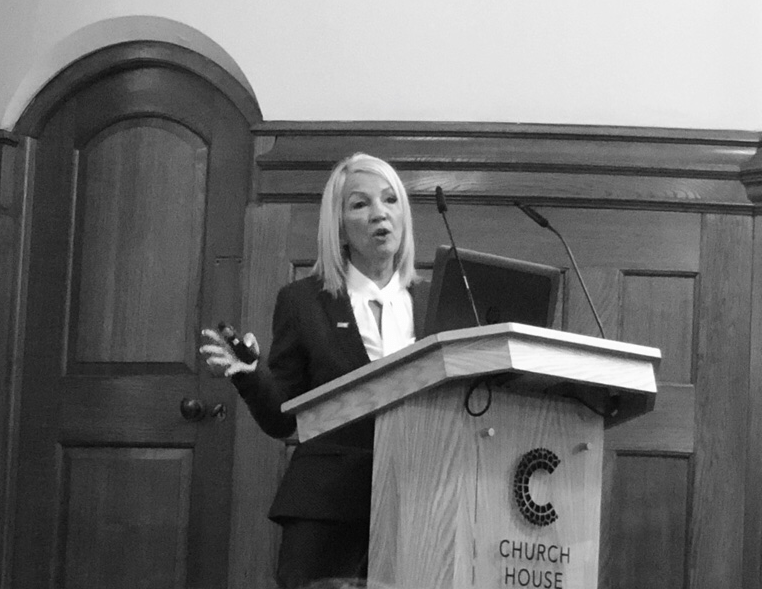
Her message is that technology needs to be the lifeblood of how we deliver care and yet currently 1 in 5 care homes still don’t have WiFi!
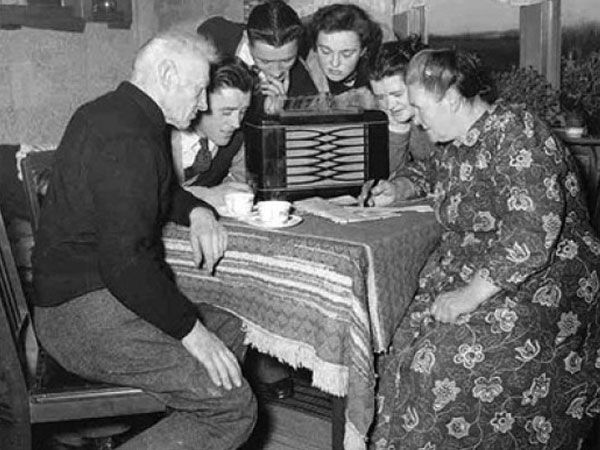
She explained that:
‘Gone are the days when we sit in a room around a recorder and listen to Vera Lynn’.
By all means listen to Vera Lynn! but on your own terms using technology which suites your needs not the home's.
She introduced us to some enlightening stories of how organisations are using tech, such as a digital vertical map. Using technology in a personalised way was key. Check out their resources and a document relaying their experiences of enabling technology in care on their website.
TSA works closely with Care England and going forward they will be doing short videos on training staff to use technology and be innovative through NVQ style levels 1 and 3, something that will be launched by next year’s conference.
Kate Terroni – a focus on Leadership
We have written about
a talk from Kate Terroni which we were recently attending in October. However, what struck us at this event was how she opened up about her journey into care and focused on the impact and role of leadership within the health and social care sector.
Kate discussed her first foray into care from the age of 19. This lead to her becoming a person-centred planning director in her 20's. Kate’s experience of being inspected by CQC as a director of adult social care will resonate with many managers. This is also true of the self-reflection that occurred when she received a less than favourable inspection report on her services.
In her current role at CQC her 3 main priorities are:
1. Voice of lived experience.
2. Joined-up care.
3. Innovation.
The main thing that came across in this talk was how serious Kate is about learning about the lived experiences of people involved in care. She explained to us that she will be joining some care staff on their duties and will be shadowing them from the start of their shift at 7 am. By doing this she has seen staff's passion for care at all levels.
She also highlighted that as a sector, we are very modest about the change we are making in people’s lives and needed to shout out more about the positives like how Social Care Future are starting to change the narrative.
Recent CQC State of Care Report

One of Kate’s main focuses from CQC’s recent State of Care report
was on how people access the services they need. The report revealed that 1.5 million people don’t have the care and support they need to properly meet their needs, which is especially an issue for people with mental health and care needs. The biggest problem is when the right services don’t exist in their area or in the community they want to live in, so people end up being moved to places where there isn’t a focus on getting them back home.
A tip for Outstanding
Integration
Kate emphasised the value of organisations working together. Evidence of integration or collaboration is something which CQC inspectors will be actively looking for. The aim is to show how new ways of working together are enabling people to receive seamless care .
So again, as a theme running through the conference, the user experience is key. They will also be looking at how organisations are connecting with the community and how they are operating outside of their normal work to improve care.
Continuous Improvement
For those who are looking to get to the outstanding rating in social care, Kate mentioned that the focus should be on constant improvement, even when services have already reached Outstanding.
When 'exceptional' becomes the norm....
The question is, what does that continuous improvement look like? And will every inspector value ‘improvement’ in the same way? This was a question brought up during the Q&A session.
A member of the audience said they found that, whilst their inspector recommended his service be rated Outstanding and had mentioned that the service was exceptional, the CQC reviewing team decided that their care was in fact not ‘exceptional’ and removed the word ‘exceptional’ from the report no less than 12 times, where it had occurred in the original draft.
Whilst not addressing the question of transparency in CQC rating directly, Kate did hint that changes are afoot and six months into her role she is still in the early stages of making those changes. #watchthisspace!
A nod to CQC Publications
Kate also used the opportunity to highlight some of the other great publications by CQC, especially the one on medication errors which she plans to focus on in the new year.
A big THANK YOU from her to you
Finally, Kate gave us all a message to pass on and that was a massive thank you to all those doing care work who often do not get the recognition #spreadtheword
Professor Green's Golden Nuggets

One of our favourite talks, of course, came from the event’s chair and renowned straight talker, Professor Martin Green. Due to the pre-election period where there are restrictions on what members of parliament can say (aka purdah), Martin had to fill in for some of the original speakers.
His contribution focused on what needed to change within the care sector and as usual he did not hold back on his views.
These included:
Redefining integration
The integration of health and social care systems and practices is care's new(ish) buzzword. However, Martin wanted to redefine our understanding of the term. For him, what should be the holy grail of integration is not the systems or processes, but the experience which the people who use services receive.
Rhetoric
We need to change the rhetoric of social care, which traditional forms of media fail to do, by highlighting the negatives rather than the positives of social care (maybe Coproduce Care has a role in improving this??).
The public/private/charitable binaries
Martin felt that the debate on whether there should be more support for charitable organisations or less support for private organisations was fundamentally an academic one. For those receiving support, the main focus is their experience, not the constitution of the organisation providing it. He felt that as a sector we ought to focus on being ‘sector neutral’. The private/public/charity debate was immaterial for people receiving care, instead what is important are the relationships and outcomes received. For Martin:
‘our role is about delivering outcomes not about whether something fits into a certain political structure’
On the subject of politics, Martin felt that we needed to work in a cross-party way in order to solve the issues of social care.
Reputation
Martin pointed out that, whilst social care often gets a significant amount of bad press with panorama, BBC news and other reports on social care, some of the largest and most severe injustices are in fact in health and the NHS. This is despite the NHS spending £100,000 a minute on training.
He pointed out that when independent reviews are carried out on serious incidents, the solution commonly point to training, when in fact it is the values within health and social care which need to be emphasised and that:
‘training is not in and of itself a mechanism to deliver quality to people who use our services’
🖤🖤💜💜💜💜💛💛
Rather than training being a panacea to the issues faced by organisations, we need to be evaluative of the difference our training has made to people’s lives and invest in evidencing the impact of training.
The question we should be asking is, when we invest in training, is it having an effect on the quality of care or providing a comfort blanket to senior management?
Essentially, training should be about openness and innovation. We should train people for outcomes not just processes.
Careers in care are a possibility
Lastly, Martin pointed out that we need to start seeing and promoting social care as a viable option for those wanting a career (in anything). Crucially, it’s one of the few things you can still say there is a job for life. Local authorities and education have a key role in promoting that.
Lastly, Rachel Smith, Head of Business Systems and Management Information at Orchard Care Homes, gave some fantastic insights into how their organisation has developed their own technology enabled system to revolutionise how they operate and provide more effective and efficient care.
Hope you enjoyed our summary. Please feel free to comment, share and like :-)
#staytuned #share #CoproduceCare #blogs #democratise the #caredebate
This Facebook widget is no longer supported.
Join us
We will be relying on a small but dedicated team and volunteers.
So, if you would like to be involved, please get in touch at hi@coproducecare.com
and help us open up the care debate, properly democratise care and please do join and share Coproduce Care:
Spread the word and uncover the hidden opportunities for people-led coproduced care